Pouches
Bags and pouches are among the most versatile packaging options – protecting goods from dust, moisture, and damage while maintaining transparency, as you can easily see inside. They are used for packaging individual items, completing sets, and shipping smaller orders.
What types of bags and pouches we offer
- LDPE bags – transparent polyethylene bags for standard packaging and kit assembly
- Ziploc bags (reclosable bags) – repeatedly sealable, ideal for small parts and components
- Paper bags – an eco-friendly option wherever you want to reduce plastic usage
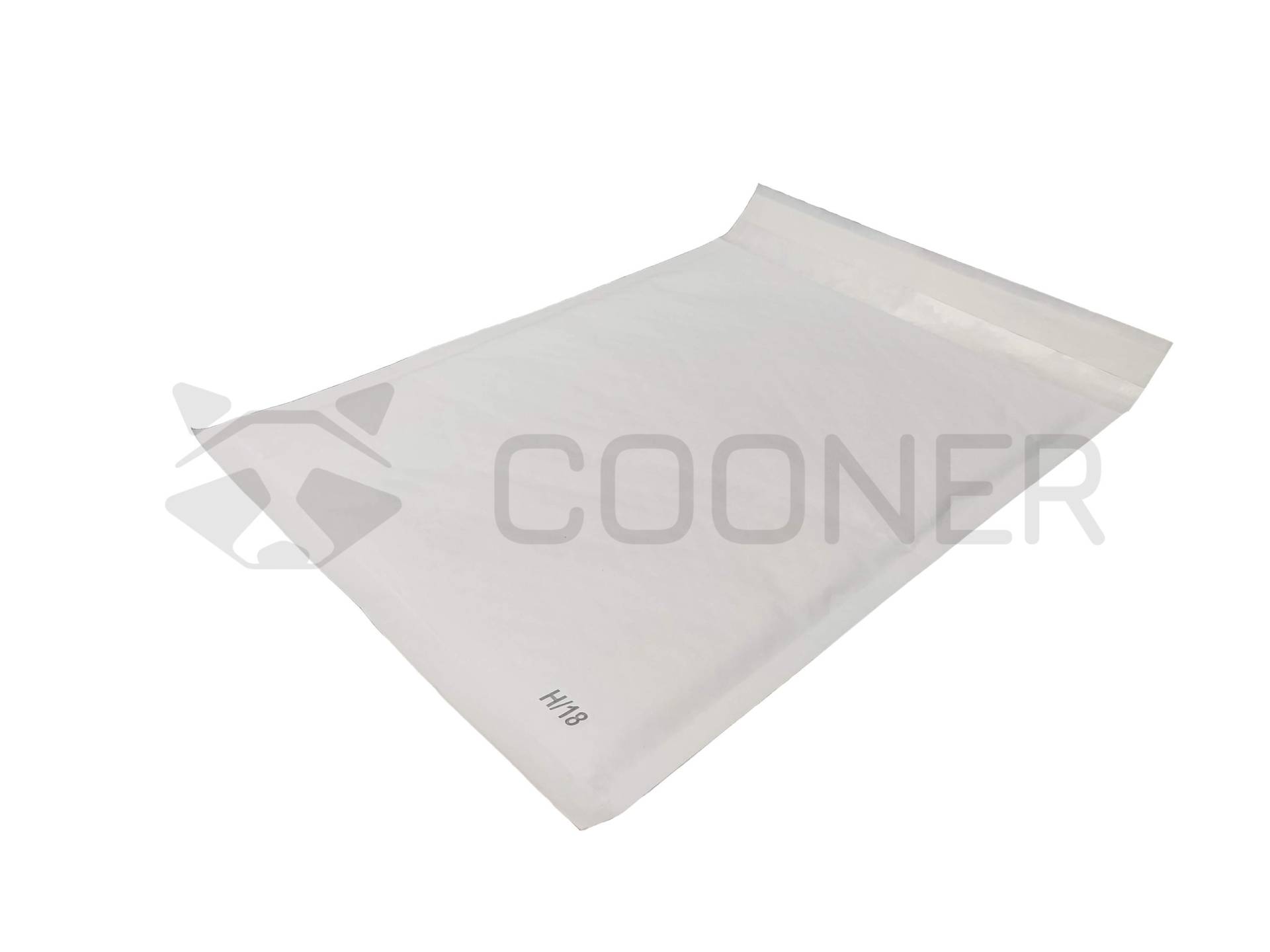
- Self-sealing and mailing bags – for easy shipping without the need for additional taping




Materials
- LDPE – Low-density polyethylene forms a soft, flexible and clear film that does not rustle. Standard bags are around 40–50 µm thick. A thicker film also withstands sharper edges.
- HDPE – Film made of high-density polyethylene is thinner, rustles and stretches less. It is used for lighter goods, often as perforated bags on a roll.
- Paper – Kraft or white paper, usually around 60–70 g/m².
- PE foam – A foam bag protects the surface of a product against scratches and minor impacts; see PE foams for details.
- Antistatic and shielding film – Pink antistatic bags limit the build-up of static charge. Sensitive components, however, are only protected by a shielding bag with a metal layer; see bubble wrap for more.
- VCI film – Polyethylene with corrosion inhibitors. The inhibitors are released from the film and, inside a closed pack, form a very thin protective layer on the metal surface. The unpacked part does not need to be cleaned before use.
Closures and construction
- Open bag – It has no closure and is sealed with tape or by heat sealing. It is the simplest version, common for filling in production and in the warehouse.
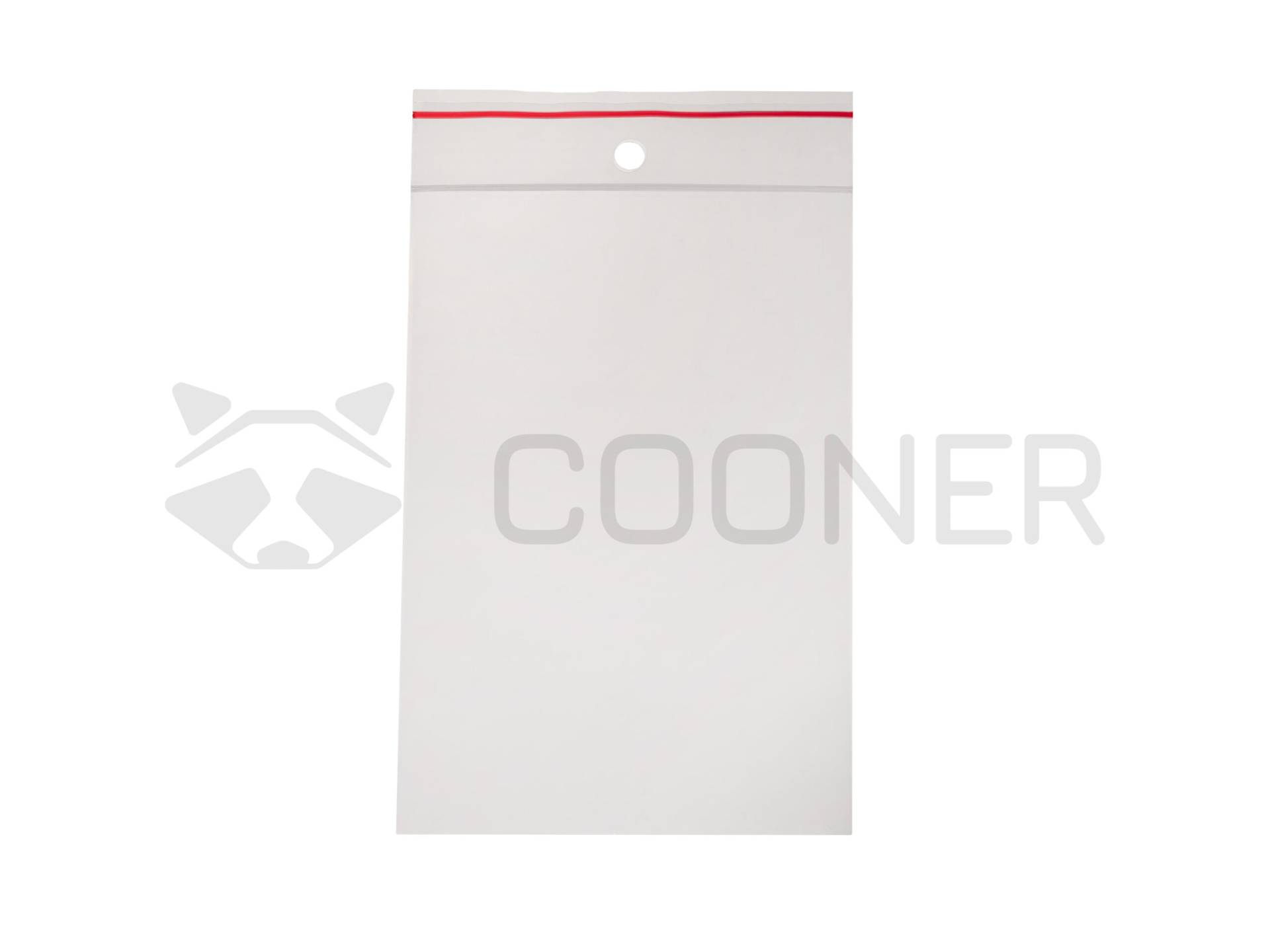
- Zip bag – A closing strip (zip) made of two interlocking profiles that can be opened and closed repeatedly. The most common film thickness is 40 µm. The size is given as the usable internal space from the bottom to the zip. Standard zip bags have no hang hole, but they are also made with one.
- Bag with self-adhesive flap – The adhesive strip on the flap may be resealable or form a permanent seal. The length of the bag is given including the flap, for example 320 + 40 mm. Some bags have a perforation next to the adhesive strip for easy opening.
- Side gusset – A bag with a side gusset holds bulkier contents. The size is written as width + gusset × length.
- Bottom of paper bags – A flat bottom allows the bag to stand. A cross bottom has a higher load capacity than a flat one. Paper bags are also made with a clear window.
For shipping goods, plastic mailing bags and envelopes are used; see envelopes for details.
We supply LDPE bags and sacks, zip bags, paper bags, bags with a self-adhesive flap and mailing bags. We also supply foam bags made of polyethylene foam, and anti-corrosion bags and sacks made of VCI film. We make bags in non-standard sizes to order.
Choosing the right bag
- Weight and edges of the contents – A thin film is sufficient for light goods; heavier parts and sharp edges need thicker LDPE.
- Repeated opening – For small parts and samples that are taken out gradually, a zip bag or a resealable flap is suitable. If it should be evident that the bag has been opened, a permanent adhesive is chosen.
- Electronics and metals – Electronics need an antistatic or shielding bag. Metal parts that could corrode during storage and transport are packed in VCI film.
- Food – A bag in direct contact with food must have documentation confirming its suitability for food (see below).
- Sorting by the recipient – A bag made of a single plastic, or entirely of paper, is easy to sort after use.
Points to watch
- Food contact – Plastic bags for food must comply with Regulation (EC) No 1935/2004 and Regulation (EU) No 10/2011 and are accompanied by a written declaration of compliance. If the bag will be in contact with food, please state this in your enquiry.
- Size of a zip bag – It is measured from the bottom to the zip. The part above the zip does not count towards the usable space.
- VCI only in a closed pack – The protective atmosphere is maintained only while the part remains packed in a closed bag.
- Antistatic is not shielding – A pink bag does not protect components against external discharge.
Related products
Envelopes are used for shipments, bubble wrap for wrapping goods. The contents of a bag can be marked with a label. Carrier bags are used when handing goods over to customers.
What to send with your enquiry
- Size (width × length, plus side gusset if any) and film thickness or paper grammage
- Material and closure: no closure, zip, or self-adhesive flap (resealable or permanent)
- Contents of the bag, their weight and any sharp edges
- Hang hole, filling method (manual or automatic)
- Special requirements: food contact, antistatic, VCI
- Quantity per order and per year
Frequently asked questions
How is the size of a bag specified?
As width × length in millimetres. For zip bags from the bottom to the zip, for bags with a self-adhesive flap with the flap stated separately (for example 320 + 40 mm). For bags with a side gusset, the depth of the gusset is added.
What is the difference between an LDPE and an HDPE bag?
LDPE is soft, flexible and clear and does not rustle. HDPE is thinner and rustles, stretches less and suits lighter goods.
Are the bags suitable for food?
Only with a declaration of compliance for food contact. If the food will be in the bag without any other packaging, please mention this in your enquiry.
Where does a used bag go?
A clean polyethylene bag goes into separate plastics collection, a paper bag into paper collection. A paper bag soiled with grease or food residue does not belong in paper collection.