Crumpled paper void fill for boxes
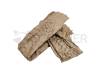
Crumpled paper is an eco-friendly paper void fill that fills empty space in the box and protects goods from impacts during transport. It is fully recyclable and, together with the cardboard box, forms a single-material package.
Types of crumpled paper
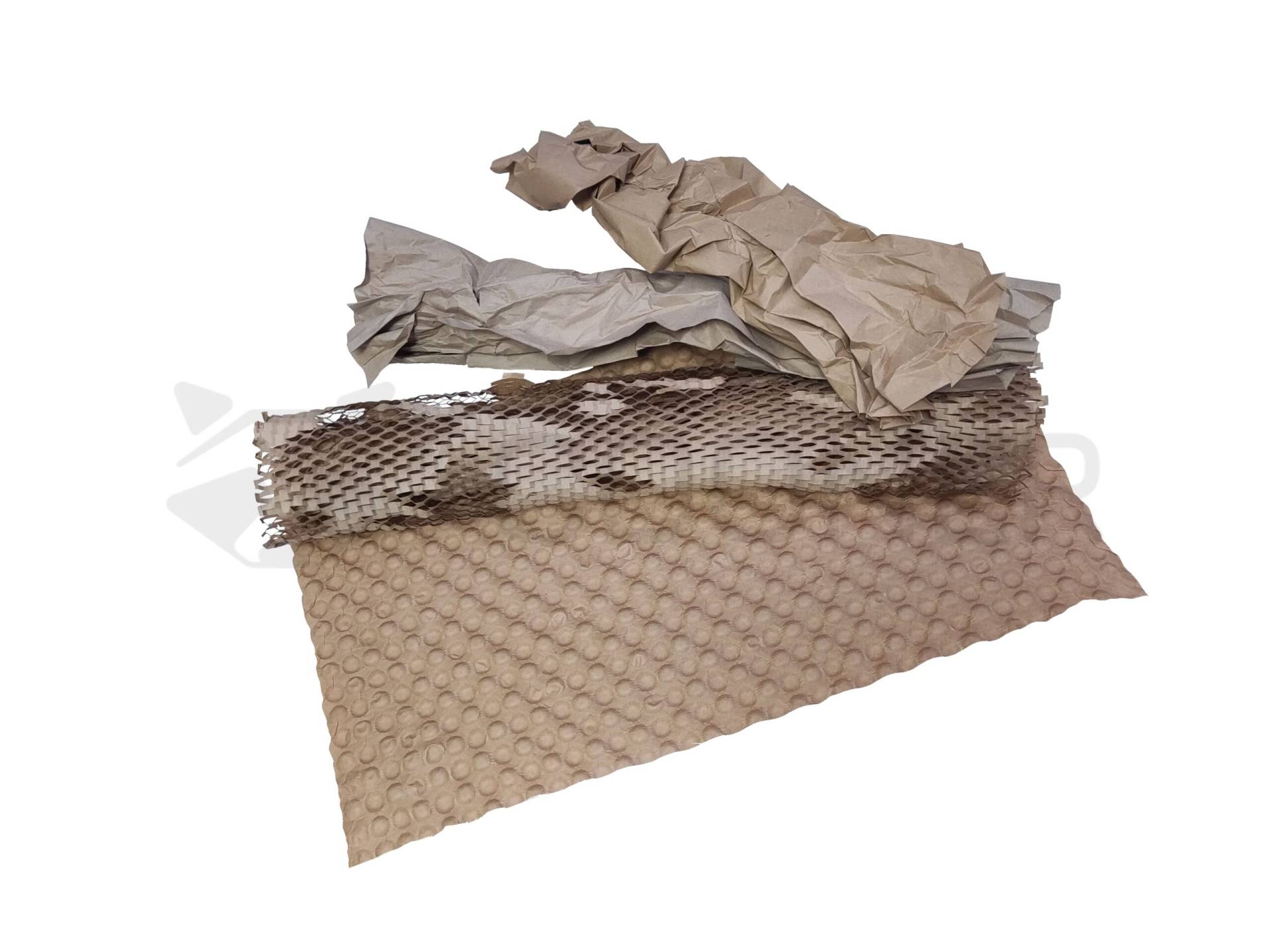
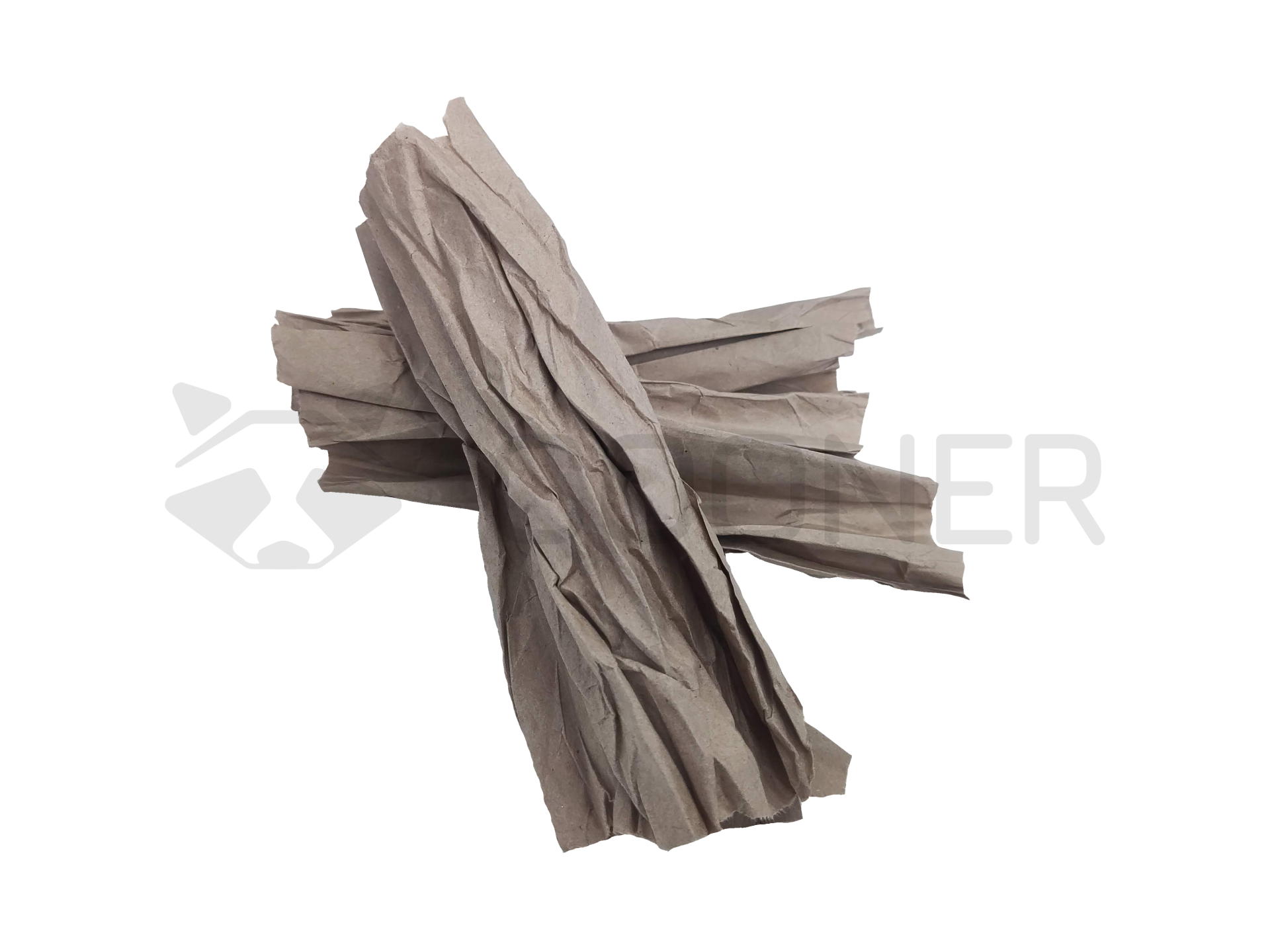
- Single-layer crumpled paper – lighter protection and filling of empty space in the box
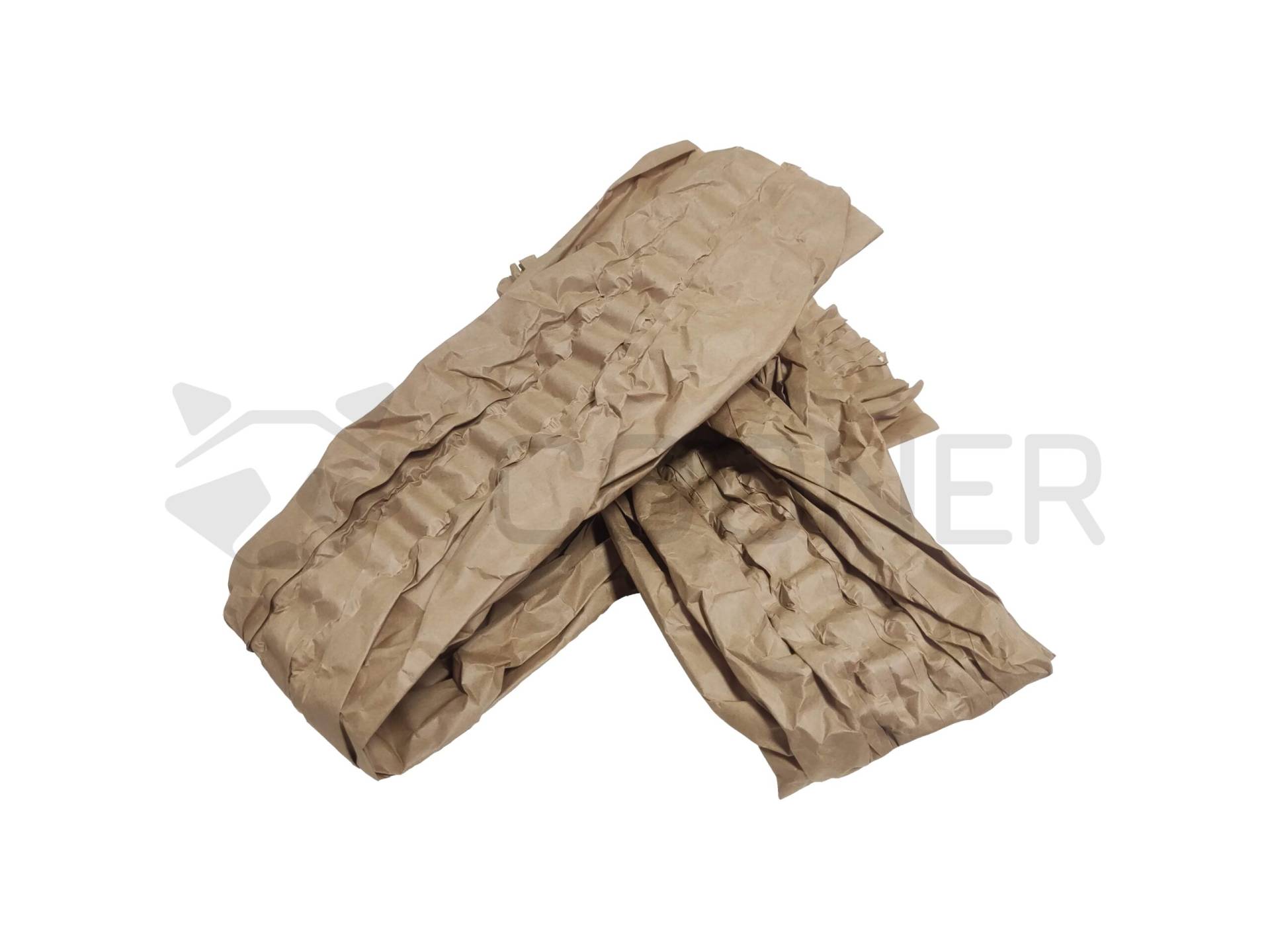
- Double-layer crumpled paper – stronger, for better cushioning and heavier goods
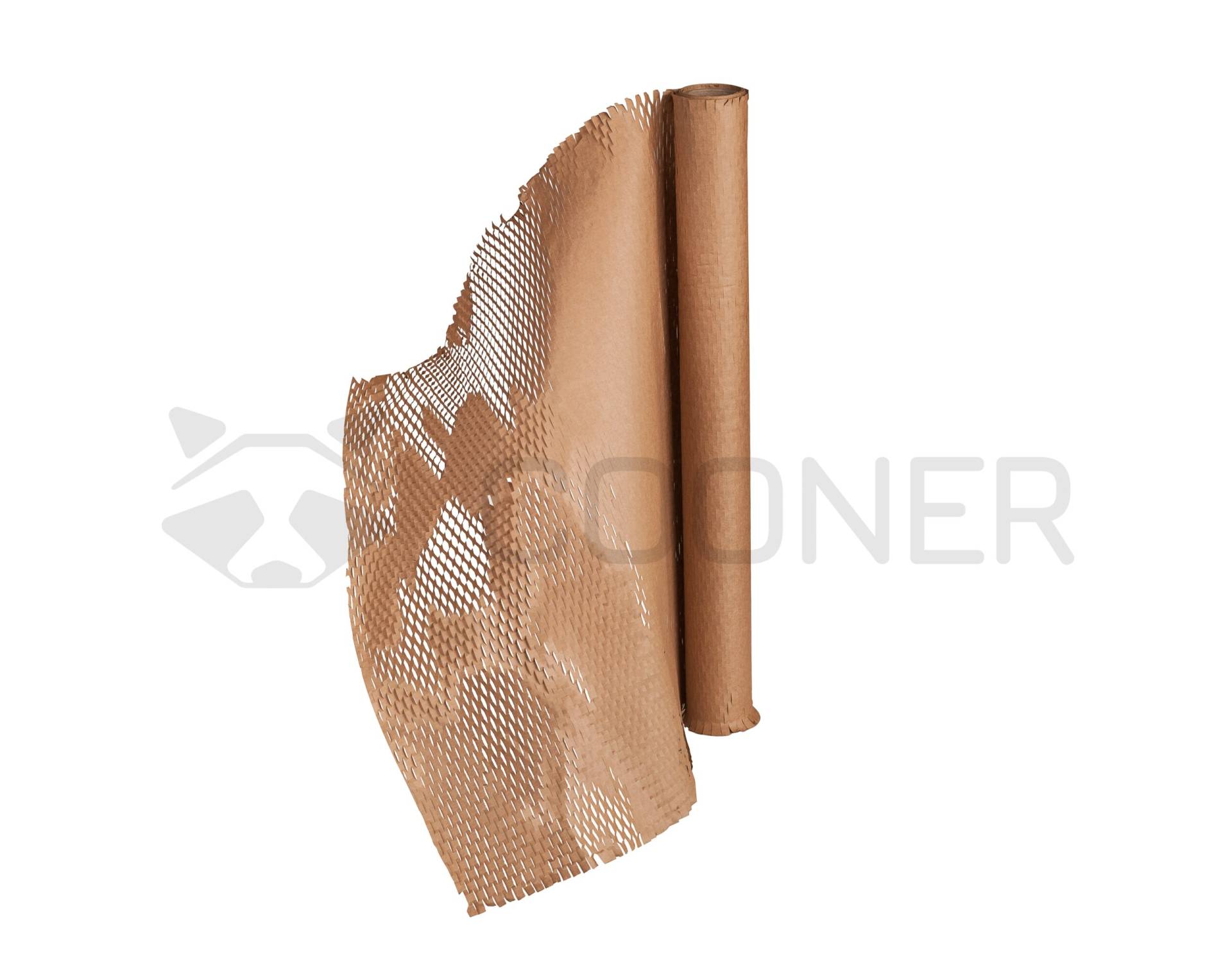
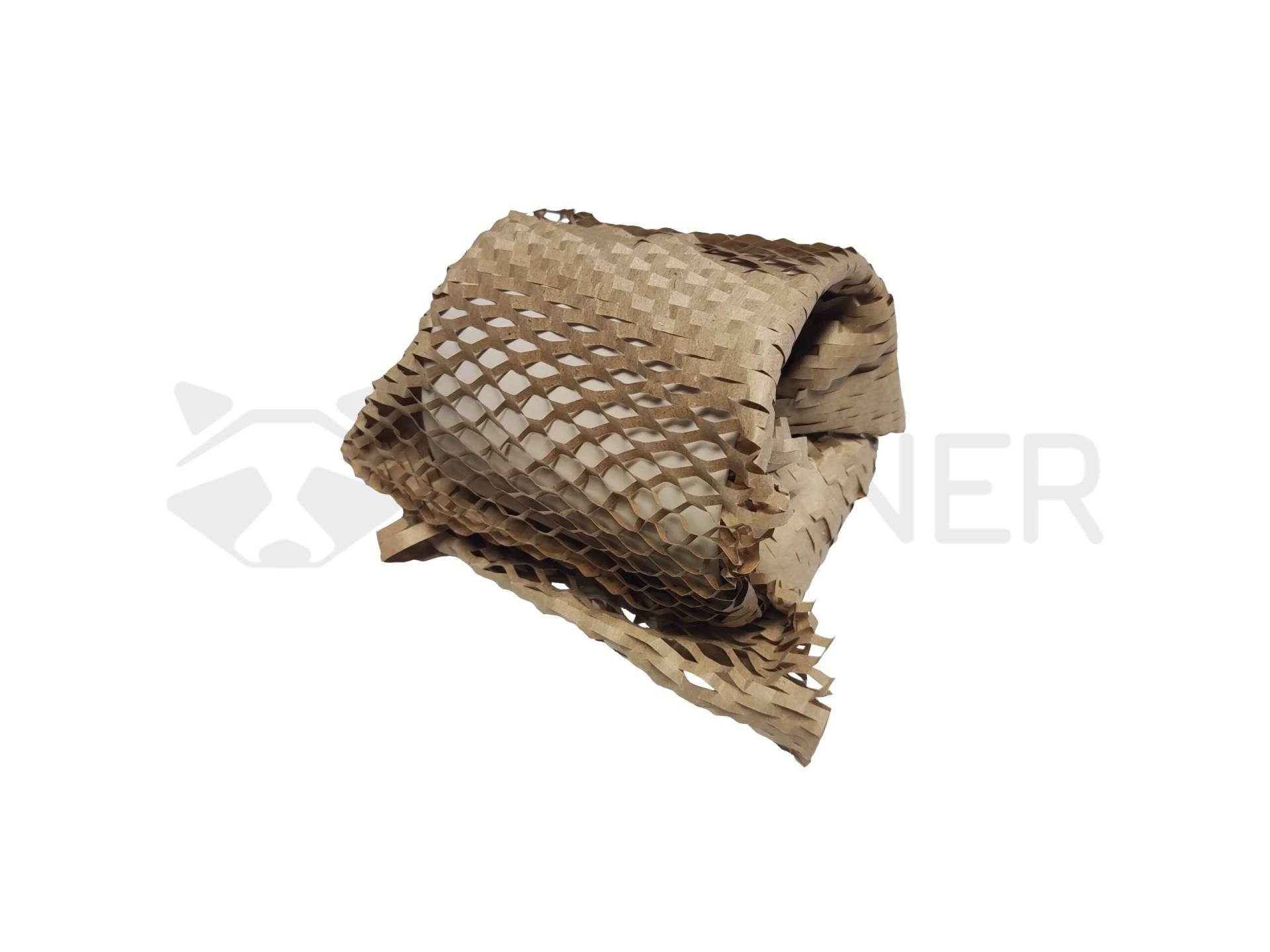
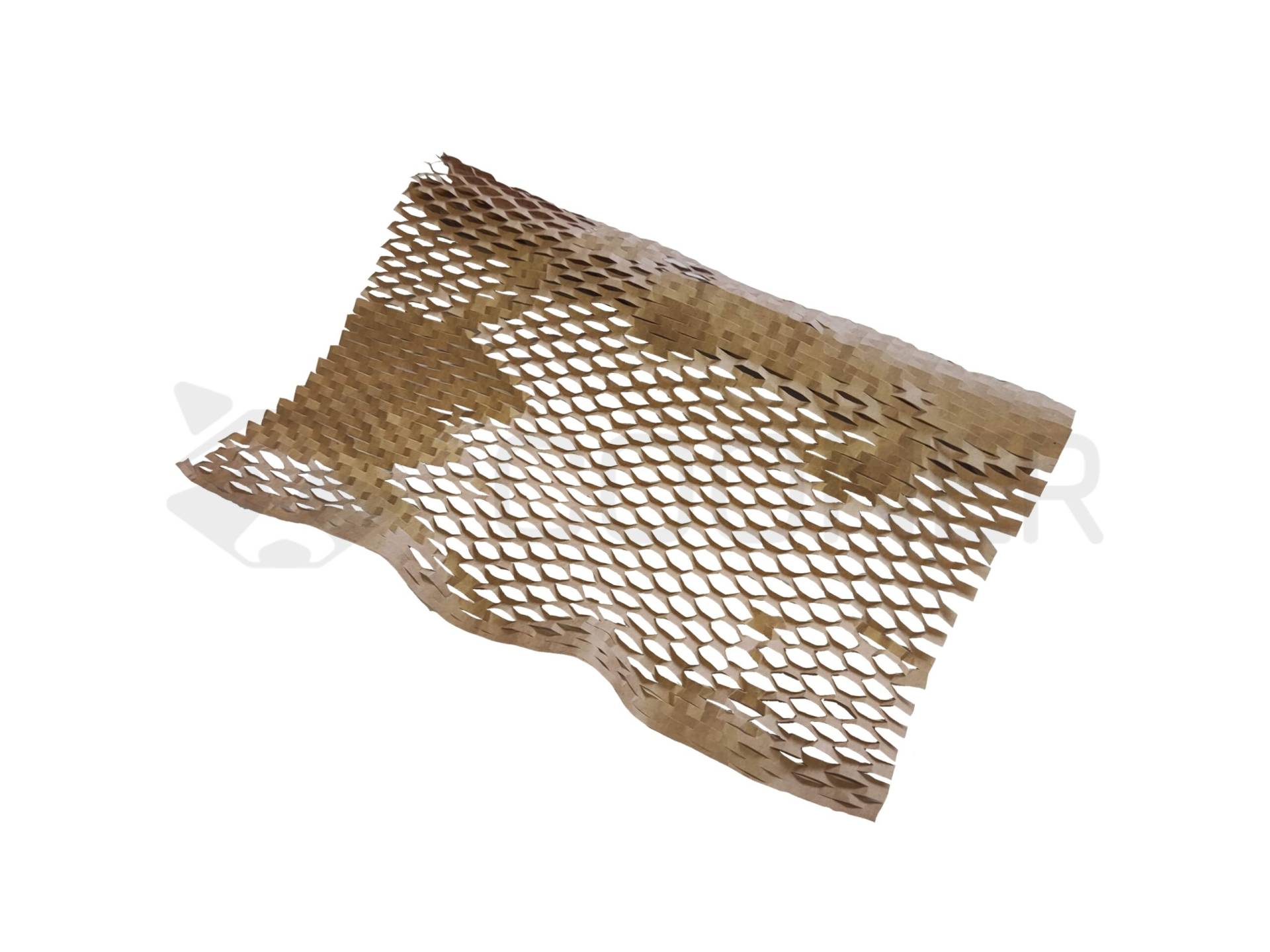
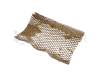
- Honeycomb wrap paper – paper with a honeycomb structure for wrapping goods, an eco-friendly alternative to bubble wrap
You can find more information on the page Paper packaging fill





How the fill is made
The paper is loaded into the machine as a roll or as a perforated fanfold stack. The machine pulls it through a crumpling unit, where the flat web turns into a lofty strip, and cuts it off at the end automatically. It is started with a pedal or works in automatic mode: as soon as the packer takes the fill, it prepares the next portion. Multi-ply paper produces a firmer, denser strip, known in the industry as a pad.
Brown kraft paper made from virgin fibres or grey paper made from recycled fibres is used. Kraft is more resistant to puncture and tearing; recycled paper has shorter fibres. The most common grammages are 50, 70 and 90 g/m². A lower grammage is sufficient for the lightest goods; a higher one is stiffer and withstands a greater load.
Void fill or cushioning
- Filling empty space – Single-ply paper prevents the contents from shifting in the box. It suits lighter shipments.
- Cushioning and blocking – Two-ply or three-ply paper is converted into firm strips that support the product from the sides and from below and wedge it in the box. It suits heavier goods and cases where better shock absorption is needed.
- Wrapping – Honeycomb wrap paper, which opens into a mesh when stretched, is used to wrap the product itself. It is used in a similar way to bubble wrap.
Papers and machines
We are the exclusive representative of activaTec for the Czech Republic and Slovakia. Each type of paper fill has its own machine: PA2000 and PA4000 (single-ply void fill), PA4600 (firmer single-ply fill), PA5000 and PA6000 (multi-ply pads). For example, the PA4000 processes up to 85 m of paper per minute, according to the manufacturer.
All machines run on a standard 230 V supply. Dimensions, weight and parameters of all machines and a complete overview of papers, including wrap paper and bubble paper, are on the paper void fill page.
Choosing the right fill
- Weight and fragility of the goods – Light goods are filled with single-ply paper; heavy and fragile goods need multi-ply cushioning.
- Shape of the goods – Paper conforms well to irregular shapes, and sharp edges cannot deflate it.
- Shipping volume – This determines the machine model and whether the paper is ordered on rolls or on pallets.
- Space at the packing table – The machines differ in size; the largest, the PA6000, also needs space for a pallet of paper.
- Sorting by the recipient – Paper fill together with a cardboard box forms single-material packaging that goes entirely into paper recycling.
According to our declaration of conformity under Regulation (EU) 2025/40, the paper void fill we supply is a mono-material paper intended for collection and recycling together with other paper.
Grammage and use
Grammage is the weight of one square metre of paper. The higher the grammage, the stiffer the fill, which can bear a heavier load. The most common grammages are 50, 70 and 90 g/m².
| Paper type | Plies | Grammage | Width | Suitable for |
|---|---|---|---|---|
| Single-ply | 1 | 50 and 70 g/m² | 381 mm | light goods |
| Multi-ply | 2 or 3 | 70, 70+70, 90 and 120 g/m² | 700 mm | heavy and fragile goods |
The paper is kraft or grey paper made from recycled fibres. Roll lengths and machine parameters are on the paper void fill page.
Points to watch
- Moisture – Wet paper loses most of its strength. Store paper in dry conditions and do not use it for damp goods without additional protection.
- Shipment weight – For the same filled volume, paper is heavier than air void fill.
- Box size – Under Regulation (EU) 2025/40, grouped and transport packaging and e-commerce packaging may have no more than 50 % empty space, from 1 January 2030 at the earliest. Space filled with paper counts as empty space. Choose a box as close as possible to the size of the goods.
- Too little fill – If the contents move when the box is shaken, there is too little fill or it is too soft. Add paper or switch to multi-ply pads.
- Very heavy parts in an exact position – Here paper is not enough and a custom insert is needed.
Paper or another void fill
Air cushions are lighter for the same volume and use less material. Paper is the better choice for goods with sharp edges, for heavier products and where the entire packaging should be paper-based. Loose fill is poured in freely, but under Regulation (EU) 2025/40 plastic loose fill may not be placed on the market from 12 February 2029. For gift packs, decorative SizzlePak is used.
What to send with your enquiry
- Typical box dimensions, and the dimensions, weight and fragility of the goods
- Number of shipments per day or per shift
- Whether you need void fill only, or also cushioning and blocking
- Layout of the packing station
- Requirement for kraft or recycled paper
- What void fill you use now and what does not work for you
Frequently asked questions
What is the difference between single-ply and multi-ply paper?
Single-ply paper provides bulky, softer fill for lighter shipments. Multi-ply paper is converted into firm strips that carry a greater load and immobilise the product in the box.
How many shipments does a roll last for?
It depends on the consumption per shipment. For example, at 1.5 m of paper per shipment, a roll with a length of 500 m lasts for about 330 shipments. The best way to establish consumption per shipment is to measure it on several typical parcels.
Kraft or recycled paper?
Kraft made from virgin fibres is more resistant to tearing and suits heavier goods and sharp edges. Recycled paper is sufficient for ordinary void fill in lighter shipments. After use, both go into paper recycling.
Do I need a machine for crumpled paper?
Paper can also be crumpled by hand from a dispenser holding fanfold paper. Another neat option is to pull the paper straight from the centre of the roll. For regular shipping, however, a machine is used that crumples, measures and separates the paper by itself.
Where does used paper go?
Into paper recycling, together with the cardboard box. Nothing needs to be separated from it.